

🎨 Urban Landscape Transformed Overnight:
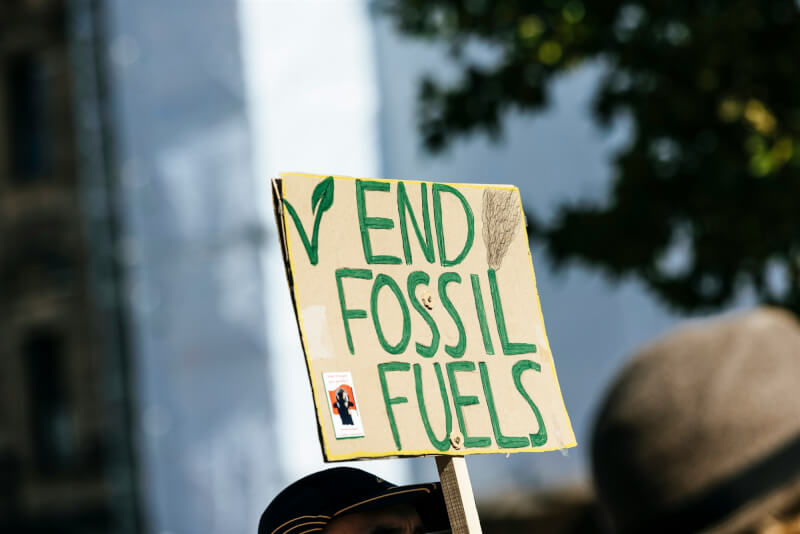
Amsterdam has officially made history as the world’s first capital city to ban advertisements for meat and fossil fuel products in public spaces. As of May 1st, advertisements for burgers, fossil-fuel cars, and airlines have entirely vanished from the city’s subways, light rails, and street billboards. In their place, cultural promotions for the Rijksmuseum and classical piano concerts have taken over, aligning the city’s visual landscape with its environmental objectives.
🌍 Aligning with Municipal Green Policy:
Local politicians emphasized that this sweeping reform is designed to reinforce the city's long-term green initiatives. Amsterdam aims to achieve carbon neutrality by 2050 and guide its residents to halve their meat consumption within the same timeframe. Anneke Veenhoff, a representative from the GreenLeft Party, stated bluntly that the climate crisis is imminent. She argued that it is fundamentally hypocritical for the city to aggressively pursue carbon reduction goals while simultaneously leasing public advertising spaces to profit from products that promote completely opposing values.
✨ Reclaiming Sovereign Public Spaces:
In response to critics who condemn the ban as "nanny state" overreach, Anke Bakker, leader of the Party for the Animals in Amsterdam and a key driver of the initiative, offered a robust defense grounded in civil liberties. Bakker emphasized that the policy does not restrict individual autonomy. Instead, it aims to reclaim sovereignty over public spaces, liberating citizens from the pervasive influence of corporate commercial interests. "When we are no longer constrained by the consumerism constructed by corporate giants," Bakker argued, "citizens are finally empowered to make genuinely free, undisturbed choices that align with sustainable values.
Image/Source: https://netzero.cna.com.tw/news/202605040148/
Disclaimer:
-
Articles translated and published by the Taiwan Net Zero Emissions Association on its official website and in the Members’ Biweekly Newsletter are intended solely to introduce international environmental trends and for educational purposes, and are not used for commercial gain.
-
Any legal liability or loss arising from the use or adaptation of the Association’s translated articles shall be borne solely by the user or adapter.