

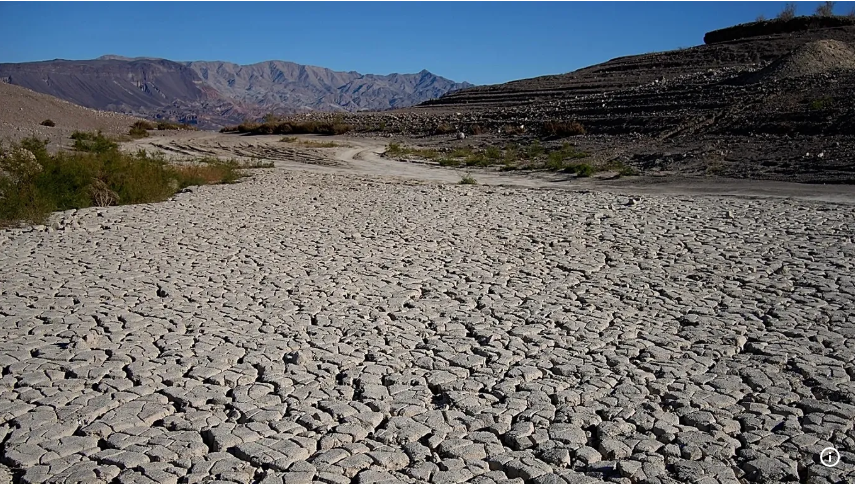
A new study by California Institute of Technology finds that drought is significantly contributing to the rise of antimicrobial resistance worldwide. By analyzing clinical data from 116 countries alongside soil datasets from the US, China, and Europe, researchers discovered a strong correlation between regional dryness (aridity) and higher rates of antibiotic resistance in hospitals.
The study explains that as soils dry out, natural antibiotics become more concentrated in the remaining moisture, creating a “selection pressure” that favors resistant microorganisms—similar to the effect of antibiotic overuse in medicine. Drought also places physical stress on bacteria, potentially altering how antibiotics affect them, and can change how quickly antibiotics break down in soil.
Because many antibiotics originate from soil microorganisms, changes in soil ecosystems can directly influence how resistance develops. The problem is further amplified by the ability of bacteria to rapidly share resistance genes, increasing the risk of spread to human populations through environmental exposure such as dust.
Overall, the findings highlight climate change as an emerging driver of antibiotic resistance and underscore the need for improved monitoring, faster diagnostics, and new treatment strategies to address this growing global health threat.
Resources: euro news. Drought is fuelling antibiotic resistance worldwide, study finds
Disclaimer:
- Articles translated and published by the Taiwan Net Zero Emissions Association on its official website and in the Members’ Biweekly Newsletter are intended solely to introduce international environmental trends and for educational purposes, and are not used for commercial gain.
- Any legal liability or loss arising from the use or adaptation of the Association’s translated articles shall be borne solely by the user or adapter.