
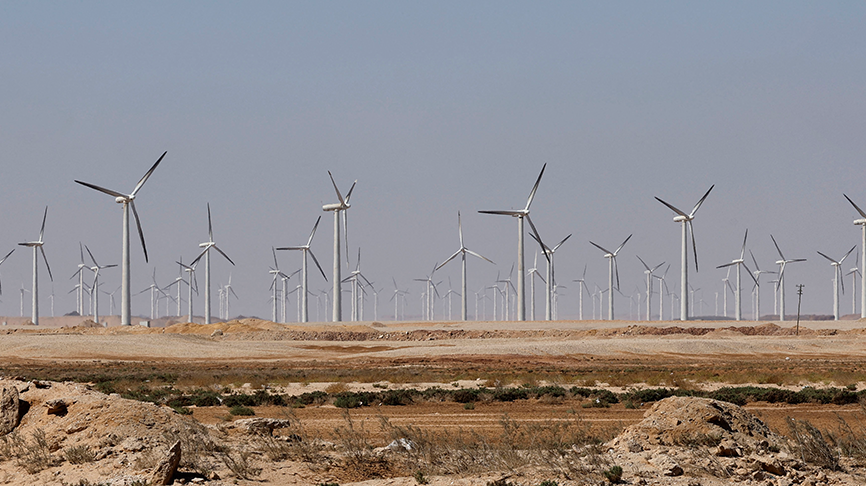
This report analyzes the new global energy geopolitical landscape following the conclusion of COP30 (November 2025). While the Middle East and North Africa (MENA) region aims to quadruple its installed renewable energy capacity by 2030, the report unveils two overlooked structural risks that hold significant implications for the global Net-Zero supply chain:
1. "Mineral Inflation" in the Supply Chain: The report points out that as global power grid upgrades and battery demand surge, stocks of critical minerals—particularly copper and lithium—are depleting rapidly. Although Saudi Arabia announced the successful extraction of lithium from oilfield brines in late 2024, the overall supply speed remains far behind demand. This has caused the cost of green energy infrastructure to rise rather than fall in 2025, potentially delaying the progress of offshore wind and solar projects worldwide, including those in Taiwan.
2. The Water-Energy-Food Nexus Threat: This represents the report’s most distinct perspective. The study finds that soil degradation and water depletion—both driven by climate change—are now hindering renewable energy development. Many large-scale green hydrogen and solar projects are located in severely water-stressed regions, facing not only the ethical risk of "competing with local populations for water" but also a decline in power generation efficiency due to a lack of sufficient freshwater for equipment cooling and cleaning.
【Implications for ESG Strategy】
IISS warns that when companies procure green energy or engage in overseas carbon reduction investments, they must begin auditing their suppliers' "mineral sourcing transparency" and "water intensity." Future Net-Zero risks will stem not only from carbon emissions but also from physical supply chain disruptions, such as the "inability to procure batteries" or "factories facing water shortages."
圖片/資料來源: https://www.iiss.org/online-analysis/charting-middle-east/2025/12/the-race-for-renewables-in-the-middle-east-and-north-africa/
免責聲明:
1、本協會編譯、刊載於台灣淨零排放協會官網及〈會員雙週報〉電子報之文章本於引介國際環保趨勢及教育目的,不為營利使用。
2、任何一切因使用、改編本協會編譯之文章而招致之法律責任或損失,由使用、改編者自行承擔。